

Mr.Sunil Laddha
Architect
Bringing Together Transformation, Architecture, and Economy
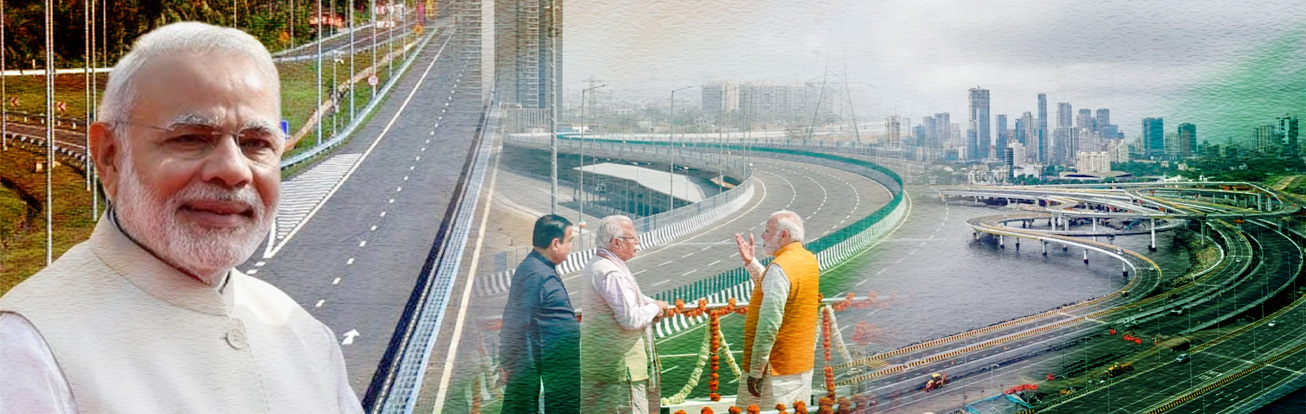
Mr. Narendra Modi’s mission and vision for the development of Indian cities has been a central part of his governance model since becoming Prime Minister in 2014. His approach emphasizes modern infrastructure, technology-driven governance, sustainable growth, and global competitiveness.
- Why This Matters
In today’s changing world politics and economics, urban development is critical for India’s future because by 2035, nearly 40% of the population will live in cities, contributing over 65% of the nation’s GDP. Modern, smart cities also boost global competitiveness by attracting investment, skilled talent, and innovation. At the same time, environmentally sustainable and green urban planning helps reduce pollution and carbon emissions, making cities more resilient to climate challenges. Inclusive policies such as affordable housing and improved urban services help bridge the gap between rich and poor, ensuring equal opportunities for all. Finally, developing future-ready cities strengthens India’s national image, positioning it as a progressive and globally influential country. - Proposed an initiative that focused on:
Inclusive Development (Sabka Saath, Sabka Vikas).
Global Competitiveness: Position Indian cities as engines of economic growth, comparable to world-class urban hubs.
Urban Transformation - Progress in vision –
Prime Minister Narendra Modi’s vision for Indian cities focuses on building modern, sustainable, and citizen-friendly urban spaces. The Smart Cities Mission (2015) aims to develop 100 smart cities equipped with technology-enabled solutions for traffic, water, energy, governance, and waste management, supported by strong digital infrastructure, e-governance, and renewable energy. Through the AMRUT (Atal Mission for Rejuvenation and Urban Transformation) program, the government seeks to provide tap water, sewerage systems, green spaces, and reliable public transport in 500 cities. The Housing for All initiative under Pradhan Mantri Awas Yojana (Urban) works toward ensuring affordable housing for every urban family by 2022, extended to 2024. Cleanliness and sanitation are emphasized under the Swachh Bharat Mission (Urban), which aims to create clean, open-defecation free, and waste-managed cities while encouraging behavioural change toward hygiene. Modi’s vision also highlights sustainability and green growth through the promotion of electric mobility, renewable energy, solar rooftops, metro rail projects, and the ambition of developing carbon-neutral cities. Finally, the focus on digital and tech-driven governance—using AI, IoT, GIS mapping, and digital platforms—ensures better service delivery, supports a cashless economy, and promotes smart solutions for India’s urban future.
Final Thought
PM Modi’s vision for Indian cities focuses on making them smart, sustainable, and inclusive. His initiatives aim to improve infrastructure, housing, sanitation, and digital governance while promoting green growth. These efforts are crucial for shaping India’s future, where cities become centres of economic progress, better quality of life, and global competitiveness.
Let’s build together—for people, by people, and with the planet in mind.